
Reading Intent
- The school’s aim is for all children to read confidently and fluently by the end of Key Stage 1.
- Reading is prioritised through a systematic phonics programme (Little Wandle) to help pupils both learn to read and read to learn.
- Staff receive consistent training and coaching to deliver phonics effectively.
- Reading progression is carefully structured—from simple to complex sounds—using decodable books and frequent review and revision.
- In Key Stage 2, focus shifts to fluency, prosody, and comprehension, supported by a mapped Reading Spine of challenging, diverse texts.
- Vocabulary, language, and oracy are key drivers across the curriculum.
- Regular assessments and interventions ensure early identification of pupils needing support.
Spelling lessons from Year 2 link phonics to word knowledge, supported by retrieval activities to strengthen long-term learning.
Implementation
Reading is promoted through a wide range of structured activities and strategies, including:
- Daily phonics lessons (EYFS & KS1).
- Decodable reading books and books for pleasure sent home.
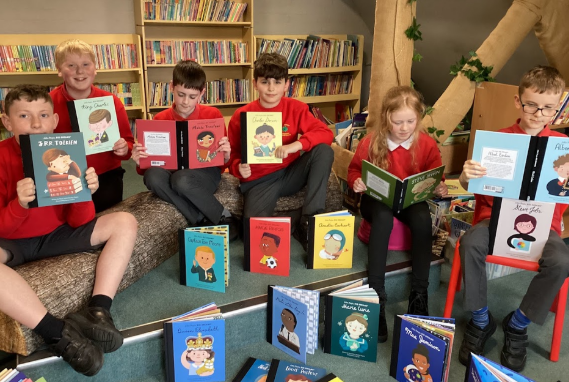
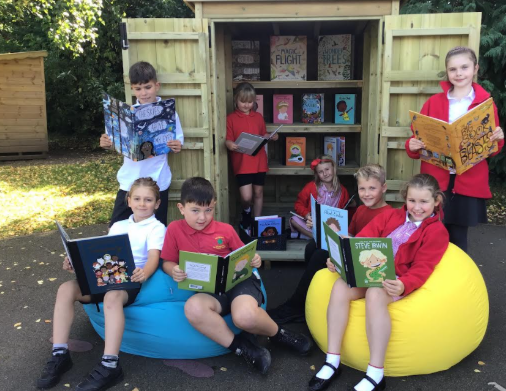
- Quality texts in school/class libraries.
- Reading modelled by staff (“Reading Experts”) through whole-class, small-group, and 1:1 reading.
- Daily keep-up and booster sessions for targeted support.
- Home reading expectations supported by parent workshops.
- Reading ambassadors, clubs, story time, and peer reading.
- Celebrations of reading through author visits and events.
The philosophy is that “practice makes permanent” — reading is revisited and reinforced daily.
Phonics
- Taught daily through whole-class sessions in EYFS & KS1.
- 1:1 and small-group keep-up sessions target the lowest 20% and SEND pupils.
- Children apply phonics knowledge in weekly writing tasks.
- By Year 2, pupils transition the spelling programme, focusing on fluency and comprehension.
Fidelity to the scheme is maintained — no mixing of resources or methods.
Key Stage 2 Reading and Rapid Catch up programme.
- Daily whole-class reading emphasises fluency and vocabulary.
- A Rapid Catch-Up programme and daily 1:1 keep-up sessions ensure pupils stay on track.
Progress is reviewed half-termly to monitor improvement.
Impact
- Staff confidently and consistently deliver the reading programme.
- By key milestones:
- Reception pupils blend by Christmas.
- Aim is for phonics to be completed by end of Year 1.
- All children read fluently by end of KS1.
- KS2 pupils are fluent, expressive, and confident readers with strong comprehension and vocabulary.
- Pupils can discuss, recommend, and enjoy books independently or collaboratively.
- Reading outcomes (GLD, Phonics Screening, KS assessments) aim to meet or exceed national averages.
Assessment
- Continuous monitoring through:
- Daily phonics and keep-up sessions.
- Regular group and whole-class reading.
- Home reading with decodable books.
- Parent workshops to support reading at home.
- Half-termly progress reviews and early interventions.
- Support for both struggling and more able readers.
- Classrooms promote a strong reading culture and love of books.